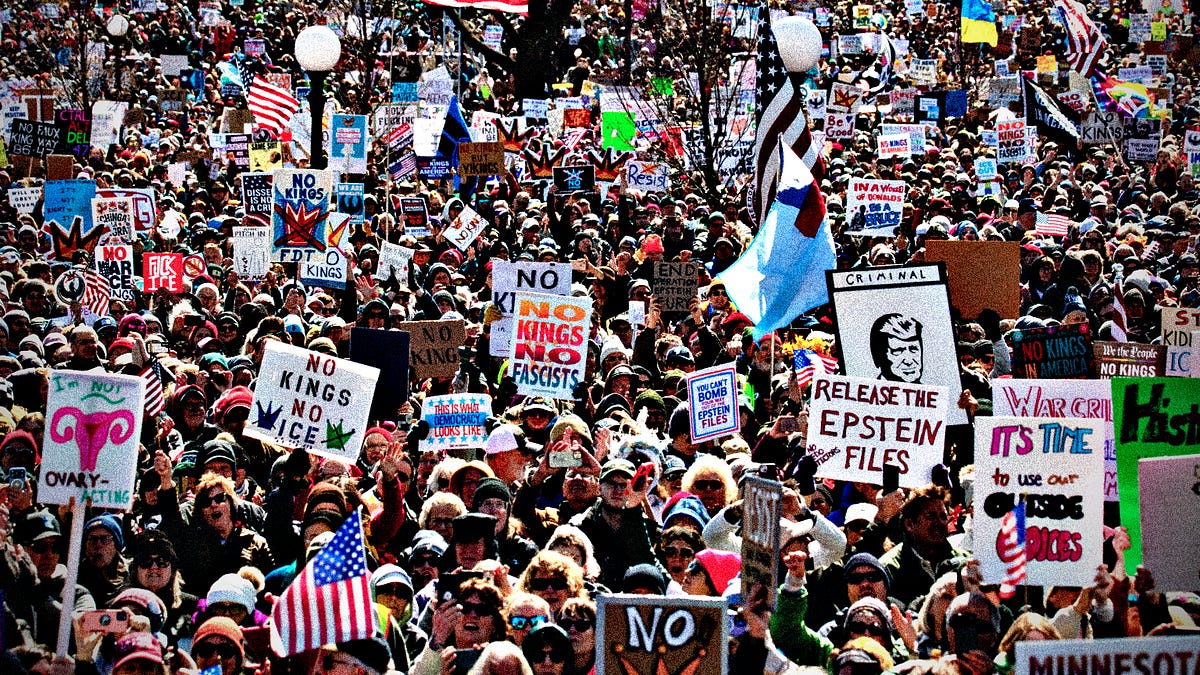
Voters who supported Kamala Harris in the 2024 presidential election have grown increasingly cynical toward America’s established institutions and leadership. According to data from a recent populism survey, this shift reflects a sharpening frustration with powerful figures and organizations, even as these voters maintain a distinct political profile separate from traditional populism.
The Shift in Sentiment
In August 2024, prior to the presidential election, 59 percent of voters planning to support Harris strongly agreed that at least one of six major American elite groups had harmed ordinary people to pursue selfish interests. By June, that figure had climbed to 69 percent. This ten-point increase represents the only statistically significant shift among the four core attitudes tracked by the survey.
With this change, the former Harris coalition now approaches the levels of anti-elite sentiment seen among Trump voters, 65 percent of whom express similar views. However, the two groups frequently direct their criticisms at different targets. While Trump voters direct more skepticism toward the media, universities, and the entertainment sector, Harris voters more often focus their frustrations on business leaders and Christian religious institutions. Both groups display comparable levels of discontent regarding national elected officials and unelected federal bureaucrats.
Separating Grievance from Populism
Despite the rise in anti-elite feeling, researchers note that the change has not transformed these voters into populists. In the survey's framework, a populist stance requires holding at least three of four characteristic attitudes: deep grievance against elites, strong personal attachment to a political leader, hostility toward social outgroups, and a tolerance for leaders exceeding legal limits.
Among the former Harris coalition, the proportion meeting the threshold for populism remained flat at 15 percent, far below the 25 percent recorded among Trump voters. Metrics measuring personal attachment to political figures and outgroup hostility showed virtually no movement among Harris supporters. Meanwhile, tolerance for executive overreach actually declined over the same period, dropping from 64 percent to 57 percent.
Commentators examining these trends point to recent political shifts as a catalyst for widespread disillusionment. As one observer remarked, watching major corporate and cultural figures rapidly align with new political leadership left many citizens feeling alienated from institutional power structures. Another noted that the rapid alignment of corporate entities with shifting political winds alienated individuals who expected institutional continuity.
The Road Ahead
As political cycles continue, the growing frustration among nonpopulist voters presents a complex dynamic for the political landscape. The core challenge for citizens and leaders alike lies in channeling institutional grievances into constructive reforms that uphold democratic standards, rather than resorting to measures that weaken legal and constitutional safeguards.

