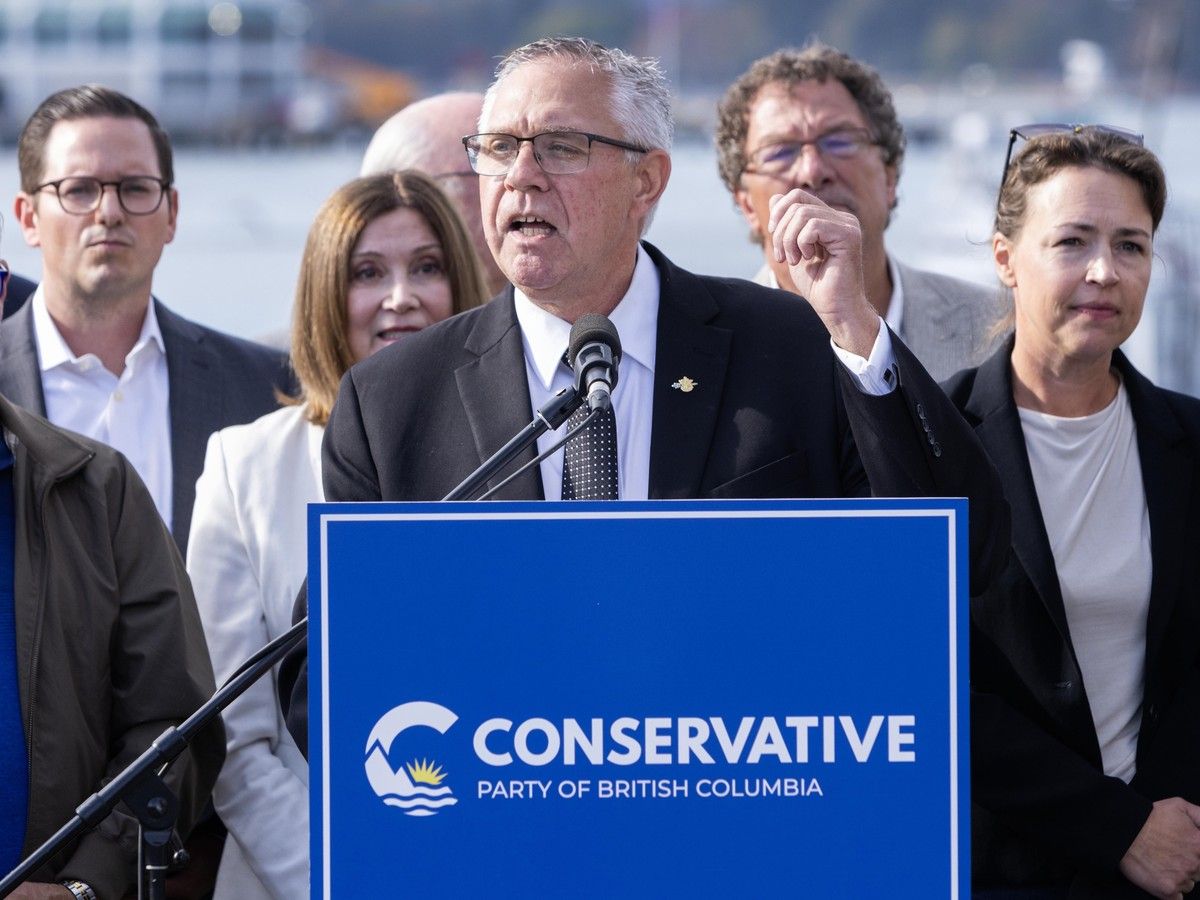
In a bold opening move for the provincial election, the B.C. Conservatives launched their official campaign in Surrey with a firm promise to freeze provincial tax rates. Party Leader Lorne Doerkson framed the announcement around affordability, asserting that working families have borne the brunt of government overspending without seeing tangible improvements in their daily lives. Promising an end to tax hikes, the party signaled a clear policy divide with the governing New Democratic Party.
The NDP pushed back quickly against the proposal, arguing that capping revenues in a growing province would inevitably imperil core public services. Pointing to current budgetary commitments, opponents asserted that aggressively tackling deficit figures without introducing new revenue mechanisms requires either deep cuts to public programs or an unrealistic reliance on economic growth. The sharp exchange has put fiscal strategy at the absolute center of the political debate.
The Arithmetic of Revenue Freezes
At the heart of the debate lies a practical economic reality: fixed revenues in an environment of rising costs create immediate operational trade-offs. Infrastructure maintenance, public safety, and social safety nets face steady inflationary pressure year after year. When governments lock income streams while expenses rise, the financial margin must be made up through operational efficiencies, program rollbacks, or increased borrowing.
Critiques of absolute tax freezes highlight how revenue caps play out in practice across local and regional governments. One observer reflected on similar promises made at the municipal level, noting the long-term consequences of strict revenue caps:
"Those who were elected to my local municipality's city council also made that pledge, and stuck with it. Now the municipality is bleeding cash, road work is getting postponed, and they're bickering over selling off city property to cover it or issuing municipal bonds. Which I think is precisely what one should expect when you pledge to freeze revenues when expenses have done nothing but increase year over year. Services will be cut, infrastructure will deteriorate, and inevitably the question of what to sell and how much to borrow will arise."
Without flexible revenue, institutions often find themselves managing shortfalls by delaying capital projects or considering asset sales. This dynamic frequently shifts the focus of political discourse from service delivery to financial triage.
Divergent Approaches to Economic Management
The fundamental tension between political platforms centers on what constitutes fiscal responsibility. Proponents of tax freezes argue that capping revenues forces discipline, encouraging governments to eliminate waste and prioritize core mandate areas. Critics, however, argue that treating government purely as a cost-cutting exercise overlooks the public investment required to sustain long-term economic productivity.
Analyzing the underlying philosophy behind rigid tax pledges, another perspective drew a comparison to corporate restructuring:
"We're told often that candidates will run Government like a business when what they really mean is that they will cut revenues, cut services, and sell assets; which is to say, they'll run the Government like a private equity firm engaged in asset stripping from acquisitions. A corporate raider."
As the campaign unfolds across British Columbia, voters are left to evaluate two distinct visions for the province's future. One path prioritizes immediate financial relief for taxpayers and strict boundaries on government spending, while the other emphasizes maintained public revenues to fund expanding infrastructure and social programs.

