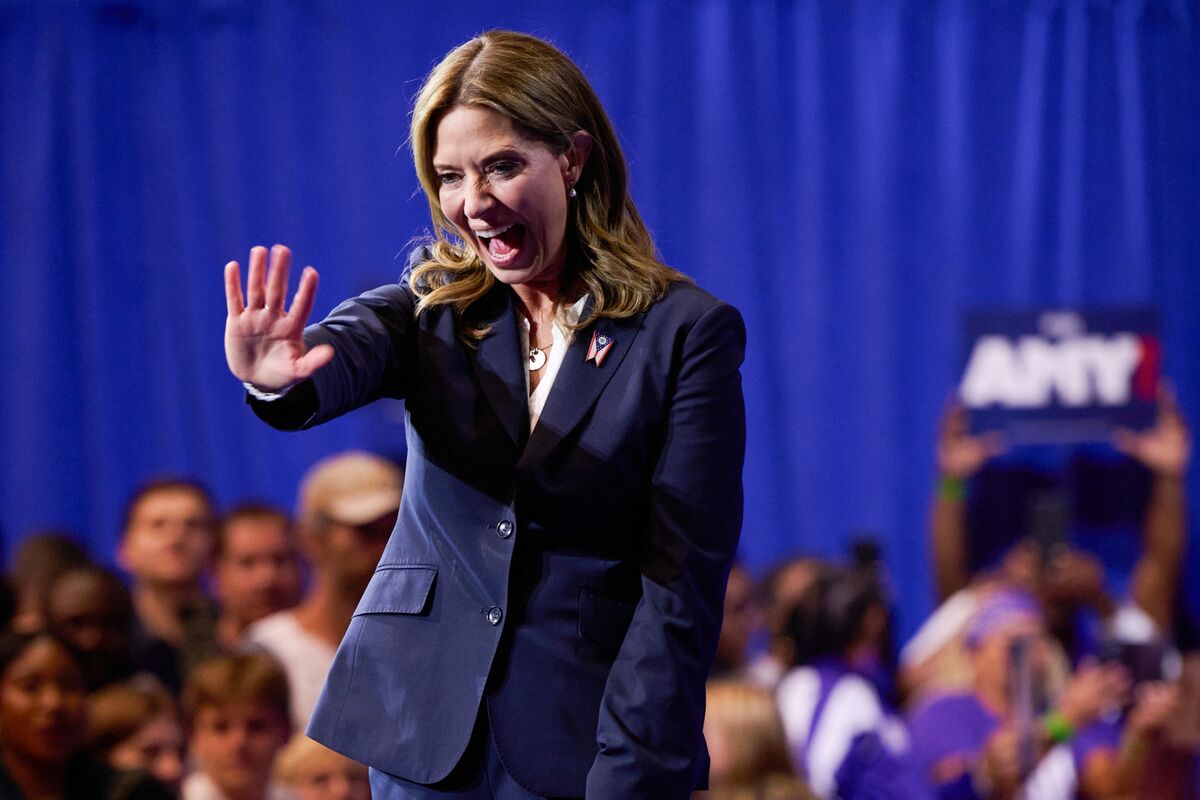
In a race that drew fierce national attention and reshaped the state's political landscape, Democrat Amy Acton has been projected to win the Ohio gubernatorial election, defeating billionaire Republican entrepreneur Vivek Ramaswamy. The victory flips the state’s executive office back to Democratic control following the term of Republican Governor Mike DeWine.
Acton, a physician and former director of the Ohio Department of Health who gained prominent public visibility during the state's initial COVID-19 pandemic response, secured her win by maintaining a lead in preliminary election results. The victory marks a significant shift in a state that had trended increasingly conservative in recent election cycles.
A Race Defined by Personal Controversy
The gubernatorial campaign turned remarkably bitter in its final weeks, escalating into a national talking point after Ramaswamy's campaign released a highly controversial political advertisement. The ad featured Acton's estranged mother calling her a liar, a move that drew immediate backlash due to the deeply personal family history involved.
According to campaign accounts and public records, Acton's mother had abandoned her as a child during an era involving severe domestic abuse and sexual assault by her stepfather. Acton had not seen her mother in over three decades. The decision by Ramaswamy’s team to air the attack ad, despite internal campaign hesitations, became a major turning point, alienating broad segments of voters and drawing widespread condemnation across the political spectrum.
Reflecting the anger surrounding the ad's release, one voter noted, "Given what her mother did... yeah it was despicable. It showed that Vivek truly lacks even the most basic level of humanity."
Another observer added, "That ad absolutely turned the fucking tide." Many voters expressed relief and shock at the election outcome after weeks of intensive messaging, with one stating, "If you're from Ohio, this is still shocking ... and most welcomed."
Policy Clashes and Public Impact
Beyond the aggressive political ad battles, the two candidates presented starkly contrasting visions for the future of Ohio. Ramaswamy ran on a platform emphasizing deregulation, government reduction, and aggressive restructuring of public institutions. Among his most debated proposals was a pledge to dismantle public employee organizations, including state teachers' unions.
That platform galvanized key constituency groups, particularly educators and public sector employees, who turned out in large numbers to support Acton. "As a teacher I’m just glad that the unions are safe," remarked one local educator following the race call. "Vivek said he wanted to dismantle the teachers union on day 1 and that would have been a disaster for the state."
Acton focused her campaign on public health infrastructure, economic stability, strengthening public education, and restoring bipartisan cooperation to state government. Her background as a physician provided a foundation for messaging centered on healthcare access and community wellness.
Looking Ahead
Acton's victory signals a potential re-alignment in Rust Belt politics, demonstrating that personal political attacks can backfire when they cross recognized boundaries of public decency. Political analysts will likely study the race for years as a cautionary case study on the limits of high-conflict campaign strategies in statewide elections.
For Acton, the transition period begins immediately as she prepares to assume governance over the state, inheriting key challenges regarding economic development, infrastructure funding, and healthcare policy.

