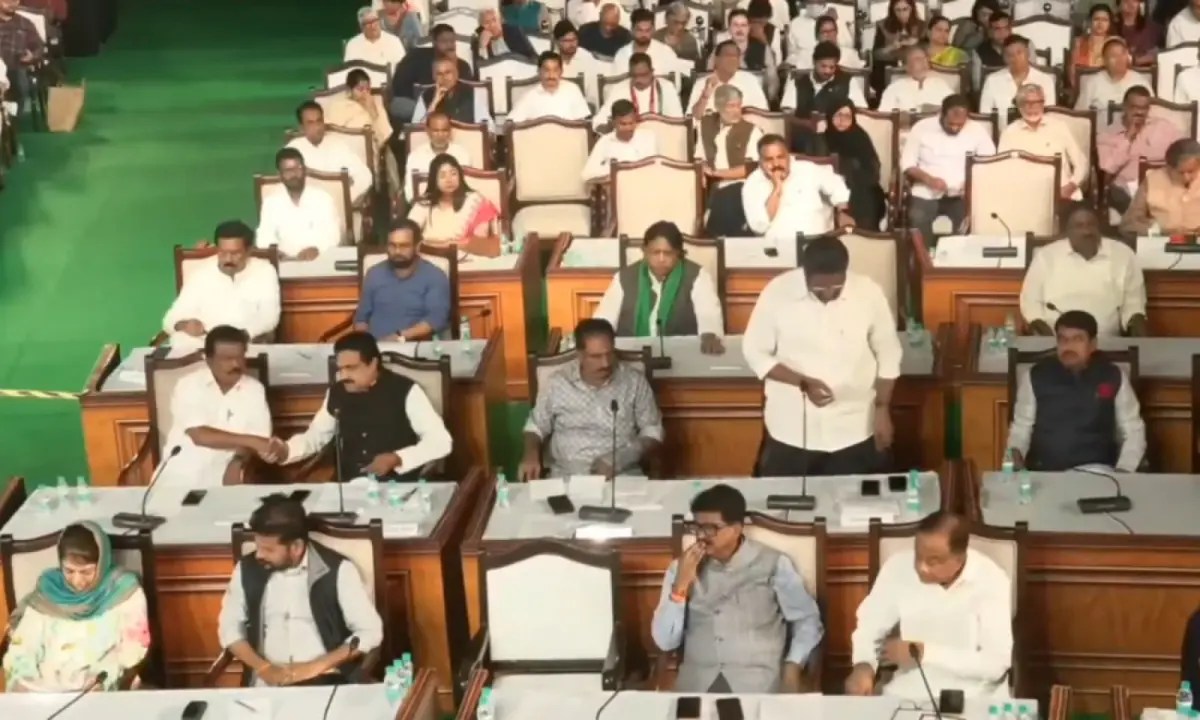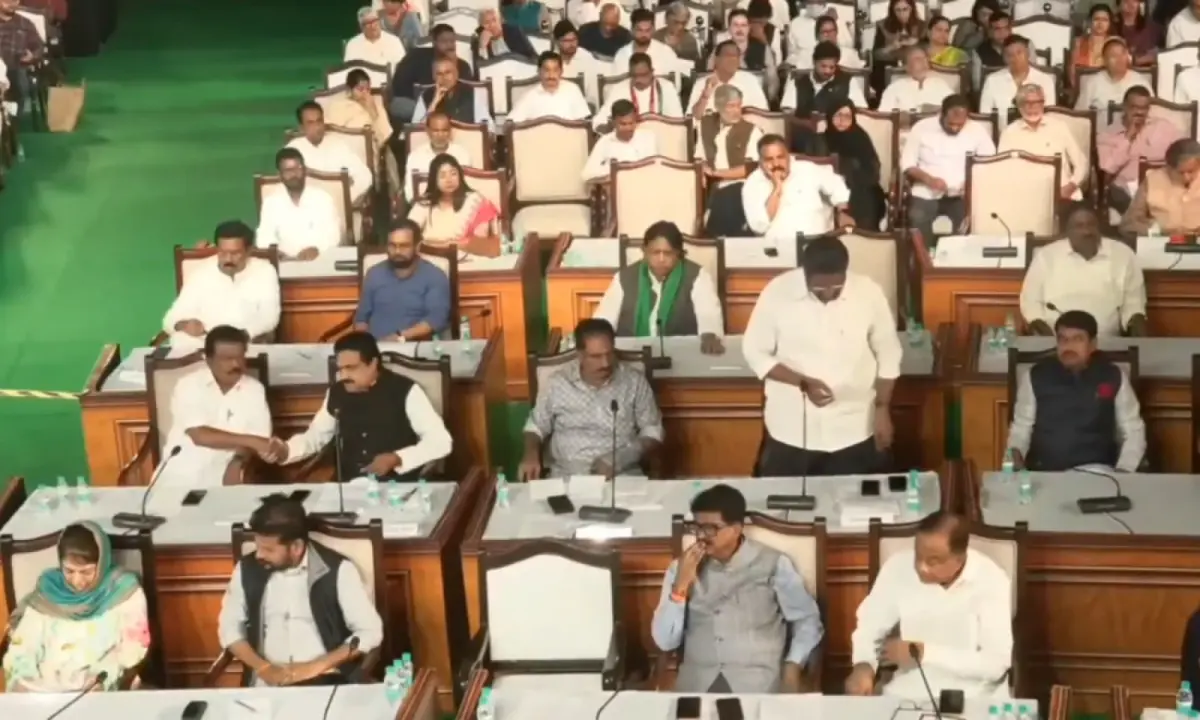
A high-stakes dispute over India’s electoral rolls took a dramatic turn in New Delhi when leading opposition parties staged a symbolic mock impeachment of Chief Election Commissioner Gyanesh Kumar. Gathering at the residence of Congress president Mallikarjun Kharge, opposition leaders re-enacted a parliamentary session to accuse the nation's top election official of improper bias and treason, charging that a massive nationwide voter list revision is being manipulated to favor Prime Minister Narendra Modi’s ruling Bharatiya Janata Party (BJP).
While the re-enactment holds no constitutional or legal authority, it highlights a deepening rift between the government and the opposition over the integrity of democratic processes in the world's most populous nation.
The Battle Over Voter Rolls
At the heart of the standoff is the Election Commission’s Special Intensive Revision (SIR), a comprehensive effort to scrub outdated entries from India’s electoral rolls. According to data surrounding the initiative, the revision resulted in the removal of approximately 133 million names nationwide. The vast majority—over 71 percent—were categorized as voters who were absent or had shifted residences, while just over 20 percent were deceased voters, and around 7.6 percent represented duplicate or multiple entries.
The Election Commission maintains that the revision is an essential procedure to maintain fair and accurate voting registries. However, opposition figures claim the process has been weaponized to disenfranchise specific voter demographics.
Addressing the mock assembly, Kharge stated that the symbolic proceedings were intended to safeguard democratic norms.
“The motion we have brought forward today is aimed at safeguarding the dignity of a constitutional institution. Our intention is for the election commission to function impartially, in line with the spirit of the constitution.”
Under the Indian Constitution, removing a Chief Election Commissioner is an extraordinary measure that requires a parliamentary session and a special majority vote in both houses. Senior Congress leader Rahul Gandhi acknowledged that the symbolic re-enactment was an act of desperation amid shrinking legislative avenues.
“We have no other option. Every single institution … is closed for us.”
Political Fallout and Government Response
The symbolic event served as a prelude to broader street demonstrations in the capital, backed by youth-led online movements protesting the voter list revisions. Political reactions to the protest have been sharply divided, reflecting deep partisan polarization across the country.
Government officials dismissed the mock trial as a disruptive political stunt. Home Minister Amit Shah responded by asserting that the ruling party was open to debating the issue through legitimate legislative channels.
“But they (the opposition) have no intention of speaking there. They refuse to let the parliament function. Instead, they just create a ruckus.”
Critics of the opposition's tactic characterized the event as an ineffective spectacle, with some observers comparing the re-enactment to model parliamentary exercises rather than substantive political action.
“Yes but they’re adults who have been rejected by the people, hence have no power or authority and so they’re playing make believe where logic doesn’t matter.”
At the same time, scrutiny over electoral roll deletions has drawn complaints across party lines and regional governments. While opposition leaders point to instances of legitimate voters being erased, supporters of the revision note that local state leadership across various regions previously managed or defended similar cleanup procedures.
“Well, many dead/duplicate/illegal voters got removed along with many living/real/legal voters so everything checks out. Instead of fucking over the fake ones, they fucked over everyone so at least there is no discrimination.”
A Defining Struggle for Democracy
With petitions regarding voter roll management pending before the judiciary, the debate over India’s electoral machinery is unlikely to subside quickly. The opposition continues to demand greater institutional transparency and safeguards against systemic voter suppression, while the government and election officials insist that maintaining clean, double-entry-free registries is foundational to free elections.
As public protests and political maneuvering continue, the symbolic impeachment in Delhi underscores how crucial trust in electoral administration remains for the stability and credibility of the democratic process.