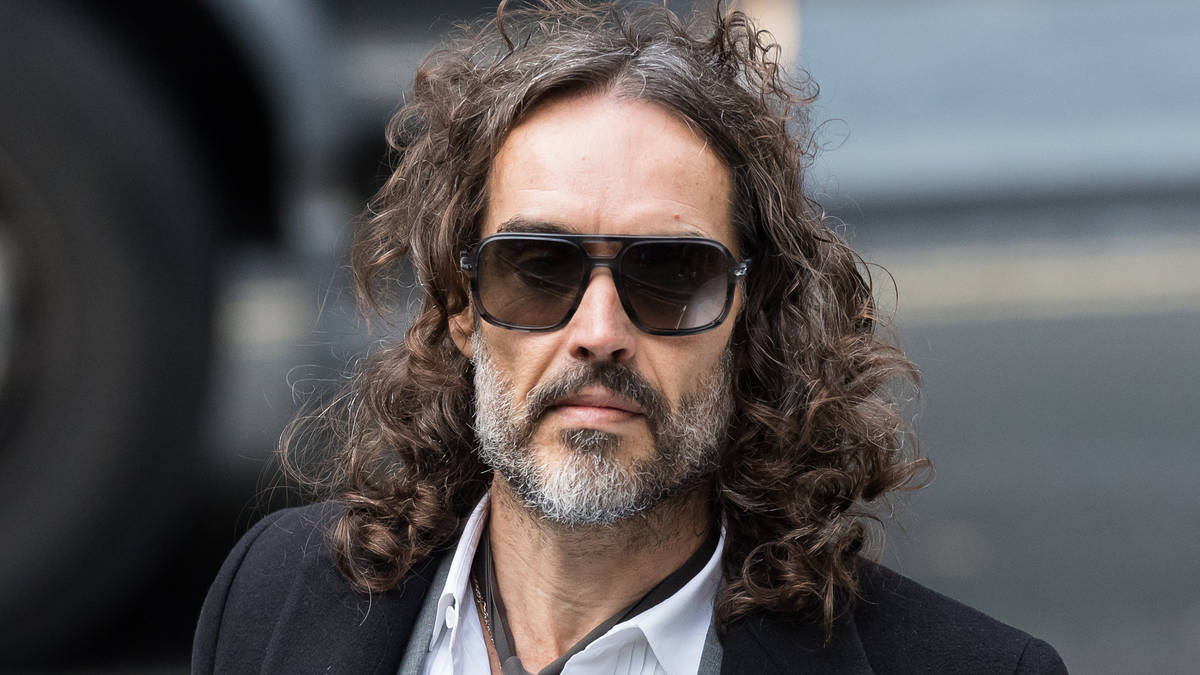
Russell Brand, the former comedian turned Christian influencer, is facing a high-stakes trial over allegations of rape and sexual assault. The case has ignited a heated debate about the nature of consent, power dynamics, and the legal boundaries of promiscuity. At the heart of the defense's argument is a bold statement: 'Living a highly promiscuous life is entirely lawful,' declared Brand's barrister, Ian Winter KC, during closing speeches at Southwark Crown Court.
The Defense's Strategy
Brand's legal team has framed the case around the idea that his client's lifestyle, while morally questionable to some, does not equate to criminal behavior. Winter emphasized, 'The question for you is can you possibly be sure in this case that out of the many, many women who voluntarily had sex with Mr Brand, he raped just three of them.' This line of defense has sparked outrage and skepticism, with many questioning its logic and sensitivity.
The Prosecution's Counter
Prosecutor Riel Karmy-Jones KC painted a starkly different picture, arguing that Brand saw women as 'disposable' and 'did not matter to him.' She highlighted the power imbalance, stating, 'He didn’t even need to know their names. They were just a means to an end.' The prosecution urged the jury to believe the six complainants, asserting that their accounts were 'the real truth of what happened to them.'
The Debate Over Consent
The trial has brought to the forefront complex discussions about consent. One commenter noted, 'Consent can also be retracted at any time,' while another countered, 'Anything afterwards would count as regret. Which is not the same as retracted consent.' The nuances of consent, especially in situations involving power imbalances, have become a central theme in public discourse surrounding the case.
Power Dynamics and Celebrity
Brand's celebrity status and alleged manipulation of vulnerable individuals have further complicated the narrative. As one observer pointed out, 'He targeted younger people or vulnerable people... he was also aggressive and heavy-handed—by his own admission.' The defense's attempt to separate Brand's promiscuity from the allegations of assault has been met with criticism, with many arguing that it perpetuates harmful myths about rape and consent.
Public Reaction and Broader Implications
The trial has resonated beyond the courtroom, with many reflecting on societal attitudes toward sexual assault. 'Reckoning with the fact that so many of my experiences were non-consensual... was devastating,' shared one individual, underscoring the personal and emotional stakes of the case. Others have criticized the defense's strategy, calling it 'gross' for suggesting that frequent consensual sex negates the possibility of rape.
The Jury's Decision
As the trial concludes, the jury faces the daunting task of reaching a unanimous verdict on each count. The case not only determines Brand's fate but also sets a precedent for how the legal system addresses issues of consent, power, and accountability in high-profile sexual assault cases.
The outcome will undoubtedly shape public understanding of these critical issues, leaving many to wonder: Can a promiscuous lifestyle ever be used to deflect allegations of sexual violence? And what does this trial reveal about the broader struggle for justice in cases of assault and rape?

